Alambic Embroidery Font: A Sophisticated Touch for Craft Fair Standouts
When I first saw the Alambic Embroidery Font, I immediately thought of elegant monogrammed pillow covers and embroidered tote bags that would catch a buyer’s eye at a craft fair. As someone who designs for both Etsy and weekend market booths, I know the importance of a font that balances sophistication with practicality. Alambic delivers a clean, decorative aesthetic that feels both modern and premium—perfect for adding a refined touch to handmade products.
First Impressions: Elegant, Decorative, and Ready for Monogramming
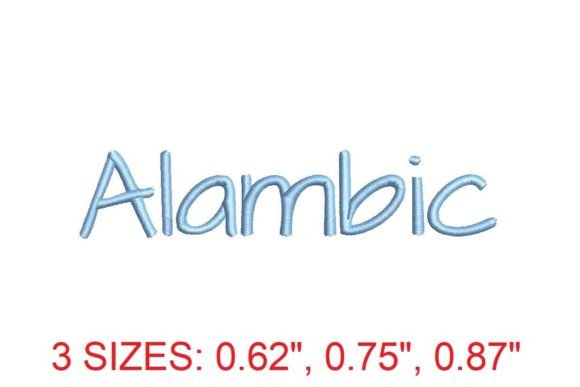
Alambic Embroidery Font has a soft, flowing structure that leans into elegance without sacrificing readability. It’s not overly ornate, which makes it ideal for both personalization and decorative use. The font’s structure suggests it works well for monogramming, especially on items like tea towels, aprons, and tote bags where a touch of class elevates the perceived value. For craft fair sellers, that’s a big win—it gives your booth a curated, boutique-style feel.
Performance on Craft Fair Products: From Patches to Pillow Covers
This font shines brightest when used on products where text is the focal point. On tote bags and aprons, Alambic reads clearly from a distance and maintains its charm up close. When embroidered on tea towels or pillow covers, the font’s delicate lines translate beautifully, especially with the right thread contrast and fabric choice. For embroidered patches or small pouches, you’ll want to size carefully—Alambic is best at medium to large sizes to preserve its detail.
Caps and curved surfaces can be tricky for any embroidery font, but Alambic holds its own if the stitch density is well balanced. I’d recommend using it for market bags or small handmade gifts where the font can be showcased on a flat surface for best results.
Practical Selling Points: Clarity, Batch Production, and Online Appeal
One of the biggest selling advantages of Alambic Embroidery Font is how well it photographs. Its elegant lines and consistent spacing make for clean, sharp images—ideal for Etsy listings or printable mockups. When buyers see a crisp embroidered name or phrase on a tote or tea towel, they instantly perceive quality and attention to detail.
From a production standpoint, Alambic is repeatable. Once you’ve tested the stitch density and thread colors on your preferred fabric, batch embroidering becomes efficient. The font reads well at a glance, which is crucial for small shop products—craft fair attendees often make quick decisions based on visual appeal.
Careful-Use Notes: Know the Fabric and Size Limitations
As with any detailed embroidery font, Alambic requires some caution. Dense stitch areas may cause issues on textured towels or thick cotton, especially if the fabric isn’t properly stabilized. Tiny details—like the fine lines in lowercase letters—can get lost on dark fabric or in smaller sizes. I’d advise against using Alambic for very small patches or embroidered caps unless you test first on a curved hoop and check for clarity.
Also, be mindful of letter spacing when embroidering names or initials. You want the font to remain legible and not feel cramped, especially on curved surfaces like baseball caps.
Impact on Booth Display and Customer Engagement
In a crowded craft fair setting, visual consistency and brand strength are everything. Alambic Embroidery Font helps unify your product line by offering a consistent, elegant look across tote bags, aprons, and pillow covers. When displayed together, items with Alambic embroidery create a cohesive, upscale vibe that draws attention and conveys quality.
Customers tend to pause at embroidered items that feel personal and premium. Alambic’s decorative yet readable style invites buyers to imagine their own names or favorite phrases on a product—making it perfect for Back To School season or personalized gifts. That emotional connection often translates to sales.
Designer Notes: Test Before You Commit
Before producing a full batch of tote bags or aprons with Alambic, always test the design on scrap fabric. Check thread contrast—especially if you're using light thread on dark fabric or vice versa. Confirm the hoop size and inspect the stitch density to avoid puckering or distortion on thinner materials.
Use the right stabilizer for your fabric type. A medium-weight tear-away or cut-away stabilizer works best for most cotton or linen items. Create at least one real mockup before listing on Etsy or setting up your booth display. Compare fabric colors to ensure the font remains legible and visually appealing.
If you're selling finished products, double-check the commercial licensing for Alambic Embroidery Font. You want to be certain you’re within the usage rights, especially if you're reselling embroidered items at a craft fair or online.
Final Thoughts: A Strong Design for Sophisticated Craft Fair Appeal
Alambic Embroidery Font is a solid choice for creative entrepreneurs looking to elevate their handmade product line. It brings a decorative, elegant quality that appeals to customers seeking personalized, boutique-style items. Whether you're embroidering tote bags, aprons, tea towels, or small patches, Alambic adds value and visual appeal when used thoughtfully.
For machine embroidery designers and Etsy sellers, this font is worth considering for your next craft fair booth or digital embroidery file collection. Just remember to test, test, test—especially on tricky fabrics or curved surfaces. Done right, Alambic Embroidery Font can become a signature design element that sets your handmade products apart.